
Sailor Seeks Horse Huon Valley, Tasmania
Established: 2010
Appellations: GI Tasmania, TAS
Proprietor: Gilli and Paul Lipscombe
Winemaker: Gilli and Paul Lipscombe
Wine Making Overview: Hand harvest, minimal intervention
Vegan Friendly: yes
Average Production: 1200 Dozens
Vineyard Area: 6.5 ha
Viticulture: Sustainable
Vineyards: estate fruit only
2 ha Chardonnay
4.5 ha Pinot Noir
new planting of Trousseau 2019
Vine Density: 4000 per ha
“The wines Paul and Gilli are producing from this site under their Sailor Seeks Horse label are some of the most genuinely thrilling and achingly beautiful this country produces.”
Gilli Lipscombe On The 2020 Vintage
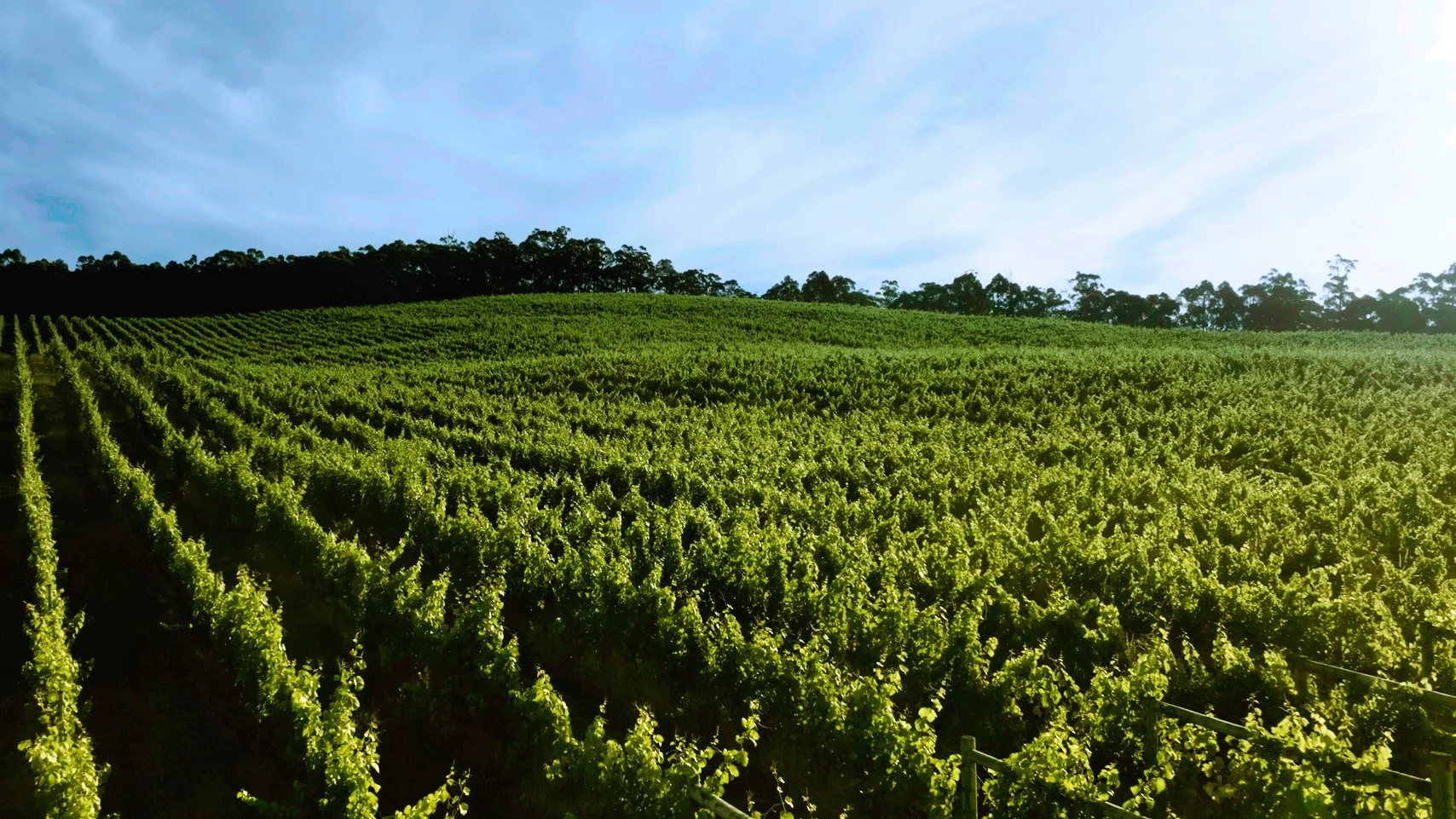
This tiny vineyard is one of Australia’s most southerly located in the Huon valley in southern Tasmania. Paul and Gilli Lipscombe own the vineyard and make the wines and both have considerable vineyard and winemaking experience behind them including winning the Jimmy Watson trophy for Home Hill where they have been the winemakers in recent years. From working together in the Languedoc to New Zealand, Oregon and Margaret River they spent a lot of time researching and considering the best possible vineyard site with the aim to produce Australia’s best Pinot Noir and Chardonnay finally settling on this ideal north facing vineyard which is sheltered from the prevailing south-westerly winds. Best described as a warm site within a cool climate, the soil is free-draining quartz inflected mudstone soil over clay. The vineyard is planted to a large variety of Dijon clones as well as numerous other clones planted by the previous owners and all vineyard work is done as organically as possible. In 2019 a new planting including some Trousseau has been made on the steep north-west facing slope beside the main vineyard block.
So to the name, where does that come from? There was a handwritten sign on the wall at the Red Velvet Lounge in Cygnet, our local coffee and cake respite from the Tasmanian weather. It said, “Sailor Seeks Horse” and went on to explain that the author had sailed solo around the world and ridden across the US from coast to coast and back again…on a mule. He’d then decided he wanted to travel around Tasmania by horse but didn’t have one. So, was there anyone who would lend him one? If they didn’t have a horse then a pony would do. It was an idea that resonated with us. Here we were, trying to do something a little bit crazy, without much money and requiring a little bit of help to get to where we wanted to be.
Vintage 2024
The toughest vintage yet but maybe our proudest
“Another water delivery?!’’ That felt like the 2024 season’s refrain, at the house at least. Rainfall was about 35% down on average over the 2024 growing season and the third driest February/March in the last 125 years but more importantly the soils hadn’t been replenished over the preceding winter and our dry farming philosophy meant that vigour was a little lacking early on, especially in the 8048 clone of Pinot Noir. Those vines veered towards a yellow tinge to the leaves and were struggling to process the nitrogen needed at that time of year to create the canopy for the rest of season. Seaweed-based foliar fertilisers loaded with nitrogen certainly helped turn them around but across the vineyard both bunches and leaves trended towards even smaller than usual.
The dry conditions continued through the season and the second half was a degree or two warmer than normal so you’d expect to be picking relatively early. Indeed, our friends from other parts of Tasmania kicked off early and with the warm conditions we fully expected to do the same. However, perhaps because of the smaller leaf area, there wasn't the ripening power and this seemed to slow down berry development. Combined with a slight cooling off at the end of March and into harvest time we ended up picking the Pinot clones over a month rather than a couple of weeks. Lots of small, individual picks where the clones really delineated in terms of readiness. The earlier ripening clones such as 777 came in at the very end of March with the later clones at the very end of April. A long spread and one of the most interesting vintages we’ve had in terms of picking decisions.”
New vineyard
In other news we have been helping some friends plant out a new 4ha Pinot Noir vineyard for them in Cradoc which will hopefully crop this year for the 2025 vintage and will go to a new single vineyard wine to be released in 2027.’ Gilli and Paul Lipscombe.
Sailor Seeks Horse Chardonnay - SOLD OUT
From four Dijon clones (95, 96, 76 & 277) in two sections of the vineyard over 2 hectares in 2010.
2024 2.5 tonnes per ha. Natural yeast barrel ferment, 20% new oak. 16 months in barrel. Custard apple, white stonefruit, floral, hints of parmesan rind. Chalk. Gilli Lipscombe.
Sailor Seeks Horse Pinot Noir
2024 2.5 tonnes per ha. Natural yeast ferment including 5% whole bunch. 16% new oak. 12 months in barrel.
‘High toned spice, drunken cherry, weight, structure, sap.’ Gilli Lipscombe.
Bright red cherries and raspberries, a pop of pomegranate too. Some dried rose buds and Moroccan spices sprinkled about. A baseline of autumnal leaves crunched underfoot. Its suupple and sinewy, with the deftest touch of sappy grip anchoring it all, Beautifully fine talcy tannins. 13.4% alc. 96 points, Nick Ryan, The Weekend Australian magazine, May 2026
Pinot Noir Dijon Clones
2024 1.7t/ha. 115, 114, 777 & Abel clones. Wild yeast, no whole bunch, 12 months in barrel, 42% new oak. Unfined. Blue and red fruit, black olive, savoury, saline. Gilli Lipscombe.
2024 A miserly 1.7 t/ha of Burgundy clones, wild fermented, with 12 months in French oak, just under half of it new. Darker fruit, Boysenberry, dark cherry, roasted quince. Ever so slightly weightier and chewier. Sculpted muscle and fine detail, chalky tannins delivering just the right amount of grip. 12.8% alc. 96 points, Dave Brookes, Halliday Wine Companion, May 2026.
2023 ‘Wild ferment, clones 114, 777, 115, destemmed, 12 months in barrel (11% new). Finely honed redcurrant and raspberry aromas here with a wash of cranberry for high tones. It smells delicate and filigreed with hints of Medina spice, sous bois, fennel gratin, cherry clafoutis, drying meadow flowers, poached rhubarb and earth. More of the same on the palate, savoury and spacious with fine detail to its form and a lovely briny cadence that pushes the wine forward. Jeez, it's pretty darn good. Drink 2024-2034.’ 96 points, Dave Brookes, Halliday Wine Companion, February 2025.
Pinot Noir Huldufolk - SOLD OUT
The name means ‘hidden people’ in Icelandic and has its origins in 19th century folklore. This certainly is a hidden gem - if you are one of the lucky people to get one of just 800 bottles. The Huldufolk label is reserved for exceptional parcels of Chardonnay and/or Pinot Noir.
2024 ‘A single one-year old barrel of 115 clone Pinot Noir. Pomegranate, rose, plum, ferrous, enveloping.’ Gilli Lipscombe.
The following wines from the Tamar Valley vineyard SMALL WONDER (formerly Goaty Hill) - certified organic
Small Wonder, Tamar Valley – 2024 release
With a return to more typical yields after the low-yielding 2023 vintage, a warm, dry summer meant the fruit ripened easily and in great condition. Harvesting was somewhat contracted with the Chardonnay and Pinot Noir picked only 6 days apart. Short and sharp so to speak.
Once the fruit arrived at the winery fermentations kicked off quite quickly and were gently handled before elevage of 12 months in older oak followed by 4 months in stainless steel prior to bottling for both varieties. Gilli Lipscombe.
2024 Small Wonder by Sailor Seeks Horse Chardonnay
‘Certified organic grapes, I10V1 clone, no malolactic, unfined. A warmer vintage with a touch more alcohol weight in 2024 means this iteration has a riper spectrum of fruit and flowers but with that combination of slatey and creamy textures’ Gilli Lipscombe.
2024 Small Wonder by Sailor Seeks Horse Pinot Noir
‘Certified organic grapes, D4V2 clone, unfined. Riper than previous vintages with red and blue fruits combined with hints of gamey complexity from the extended ageing in barrel. Super supple and fleshy on the palate’ Gilli Lipscombe.